
The Ultimate Guide to Buying 1 Ton of Pellets for Your Wood Stove
Heating your home efficiently and affordably is a priority for many homeowners. Wood pellet stoves provide a convenient and cost-effective alternative to traditional heating systems. If you rely on a pellet stove during the colder months, understanding the benefits, costs, storage requirements, and delivery options for purchasing 1 Ton of Pellets can help you plan your heating supply effectively.
This comprehensive guide covers everything you need to know before purchasing 1 Ton of Pellets, including pellet types, pricing, storage, delivery, usage, and tips for getting the best value.
Understanding Different Types of Wood Pellets
Not all wood pellets are the same. The two most common types are hardwood and softwood pellets.
Hardwood pellets are typically made from woods such as oak, maple, and cherry. They are known for producing a steady, long-lasting burn and can generate a substantial amount of heat.
Softwood pellets, often made from pine or spruce, generally ignite quickly and can provide excellent heat output. Depending on the manufacturer and market, softwood pellets may also be competitively priced.
Pellet quality is influenced by factors such as moisture content, density, ash production, and the quality of the raw wood used during manufacturing. High-quality pellets can help your stove operate efficiently while reducing ash buildup and maintenance.
When buying 1 Ton of Pellets, look for products that meet recognized quality standards and are suitable for your particular pellet stove.
How Much Does 1 Ton of Pellets Cost?
The price of 1 Ton of Pellets can vary considerably depending on several factors. These include the type of wood, brand, pellet quality, location, season, availability, and whether you purchase individual bags or a full pallet.
Prices may also increase during periods of high demand, particularly during colder weather. Buying pellets before the peak heating season can sometimes provide better availability and pricing.
When comparing prices, don’t look only at the advertised cost per bag. Consider the total cost, including delivery fees, taxes where applicable, and any bulk-purchase discounts.
Buying 1 Ton of Pellets at once may provide better value than purchasing individual bags throughout the heating season, particularly when suppliers offer pallet or bulk discounts.
Where to Buy 1 Ton of Pellets
Finding a dependable wood pellet supplier is an important part of the purchasing process. Wood pellets are commonly available from hardware stores, home improvement retailers, agricultural supply stores, heating fuel suppliers, and specialized pellet dealers.
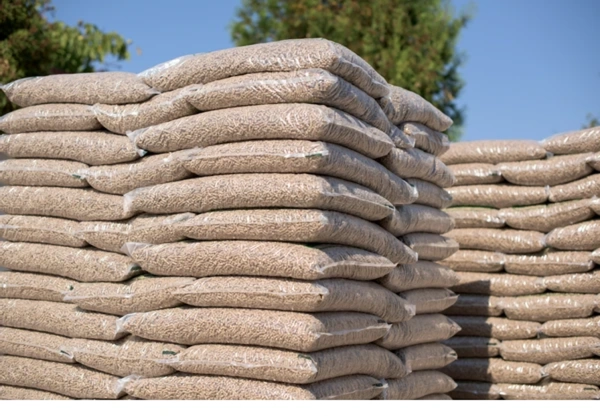
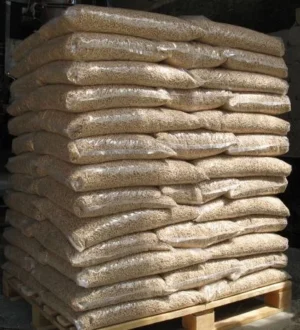
Some suppliers sell 1 Ton of Pellets as a complete pallet containing multiple bags, while others may offer bulk delivery depending on their facilities and delivery capabilities.
When choosing a supplier, consider:
- Pellet quality and consistency
- Price per ton
- Bag size and quantity
- Delivery availability
- Delivery fees
- Customer reviews
- Supplier reputation
- Storage and handling requirements
A reliable supplier should provide clear information about the pellet type, quality, quantity, and delivery arrangements before you place your order.
How Many Bags Are in 1 Ton of Pellets?
The number of bags in a ton depends on the weight of each individual bag.
For example, if pellets are sold in 40-pound bags, approximately 50 bags are required to make 2,000 pounds, or one U.S. ton.
Because bag sizes can vary between suppliers and regions, always check the actual weight listed on the packaging when calculating how much pellet fuel you are purchasing.
If you are ordering a full pallet, confirm the number of bags and total weight with the supplier before delivery.
Delivery and Storage of 1 Ton of Pellets
Proper delivery planning and storage are essential when purchasing 1 Ton of Pellets.
Wood pellets need to be protected from moisture. Exposure to rain, humidity, or water can cause pellets to absorb moisture, swell, break apart, and become unsuitable for efficient burning.
A garage, dry shed, covered storage area, or other protected space can be suitable for pellet storage. Keep the bags off damp floors whenever possible and protect them from direct exposure to water.
Before arranging delivery, make sure there is enough space for the entire pallet or quantity you have ordered. The delivery location should also be accessible for the delivery vehicle.
Proper storage helps maintain pellet quality and ensures your fuel remains ready to use throughout the heating season.
How Long Will 1 Ton of Pellets Last?
How long 1 Ton of Pellets lasts depends on several factors, including:
- The size of your home
- Your pellet stove’s efficiency
- Outdoor temperatures
- Insulation and energy efficiency
- Your preferred indoor temperature
- How many hours the stove operates each day
- The quality and heat output of the pellets
Some households may use a ton relatively quickly during periods of cold weather, while others may make their supply last considerably longer in milder conditions.
The best way to estimate your requirements is to monitor how many bags your stove consumes each day or week. This will give you a more accurate idea of how much fuel you need for the entire heating season.
Are Wood Pellets an Environmentally Friendly Heating Option?
Wood pellets are manufactured primarily from compressed wood materials, including sawdust and other wood byproducts. Using these materials can provide a productive use for wood waste generated during manufacturing processes.
Pellets are also a renewable heating fuel when the raw materials come from responsibly managed sources.
However, the overall environmental impact of wood pellet heating depends on factors such as forestry practices, manufacturing, transportation, stove efficiency, and emissions. Choosing quality pellets from a responsible supplier and using an efficient, properly maintained stove can help reduce unnecessary fuel consumption.
How to Get Better Performance From Your Pellet Stove
Buying high-quality pellets is only one part of achieving efficient heating. Proper stove operation and regular maintenance are equally important.
Clean the burn pot, ash pan, heat exchanger, and exhaust system according to your stove manufacturer’s recommendations. Removing accumulated ash and residue helps maintain proper airflow and combustion.
You should also follow the manufacturer’s instructions for temperature settings, cleaning schedules, and approved fuel types.
Using pellets that are appropriate for your stove can help reduce excessive ash and improve overall performance.
Is Buying 1 Ton of Pellets in Bulk Worth It?
Purchasing 1 Ton of Pellets at once can be convenient and may reduce the cost per bag compared with buying smaller quantities.
Bulk purchasing also means fewer trips to the store and ensures you have a substantial supply available when you need it.
However, you should consider your available storage space before purchasing a full ton. Pellets need to be kept dry and protected from moisture, so make sure you have adequate storage before ordering.
Compare the total delivered price rather than simply looking at the advertised price per bag. A slightly higher pellet price may still represent better value if the supplier provides more convenient or affordable delivery.
When Is the Best Time to Buy Wood Pellets?
Planning ahead can make purchasing wood pellets easier. Demand often increases when temperatures begin to fall, so waiting until the coldest part of the heating season may limit your options.
Buying 1 Ton of Pellets before peak demand can give you more time to compare suppliers, prices, pellet quality, and delivery options.
Some suppliers may also offer seasonal promotions or bulk discounts at different times of the year.
Rather than waiting until your existing supply is almost gone, monitor your usage and plan your next purchase in advance.
Choosing the Right Pellet Supplier
Choosing a reputable supplier is essential when purchasing 1 Ton of Pellets.
Before ordering, check the supplier’s reputation, product specifications, delivery policies, and customer feedback. Ask about the type of pellets available, bag quantity, total weight, delivery charges, and expected delivery timeframe.
A trustworthy supplier should clearly explain what is included in your order and provide accurate information about the product.
Taking a little time to compare suppliers can help you avoid unexpected costs and ensure you receive suitable fuel for your pellet stove.
Final Thoughts
Purchasing 1 Ton of Pellets can be an efficient and convenient way to prepare your home for colder weather. By understanding pellet types, pricing, storage requirements, delivery options, and expected consumption, you can make a more informed purchasing decision.
Always choose pellets that are compatible with your stove, store them in a dry and protected location, and maintain your stove according to the manufacturer’s recommendations.
Whether you’re purchasing your first ton or replenishing your seasonal supply, planning ahead and comparing reputable suppliers can help you get better value while keeping your home comfortable throughout the heating season.
Reviews
There are no reviews yet.