
Wood Pellets: Premium Bulk Heating Solutions for Cold Winters
Why Wood Pellets Are a Smart Heating Solution This Winter
When cold weather arrives, reliable home heating becomes an important priority for homeowners looking to maintain comfort while managing energy costs. Buying heating fuel one bag at a time can be inconvenient and may result in higher costs during periods of increased demand. Purchasing premium wood pellets in bulk provides a practical way to maintain a consistent supply throughout the heating season.
A complete Ton of Pellets offers convenience, dependable fuel availability, and excellent heating performance. Instead of making frequent trips to purchase individual bags during severe weather, homeowners can plan ahead and keep an adequate supply of fuel stored safely at home.
The Financial Benefits of Buying Wood Pellets in Bulk
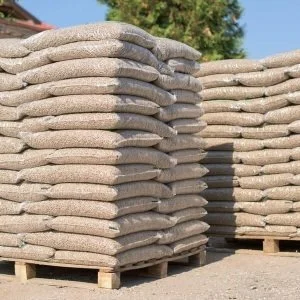
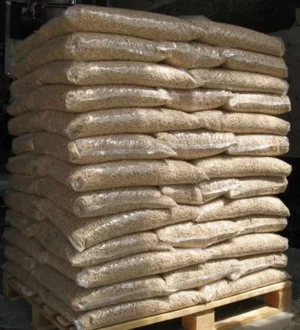
Buying compressed biomass fuel in larger quantities can provide better overall value than purchasing individual retail bags. A standard retail bag of wood pellets commonly weighs around 40 pounds, while a full Ton of Pellets generally consists of approximately 50 bags.
Purchasing a complete pallet or ton can reduce the cost per pound and may also help minimize repeated delivery charges. For households that regularly use pellet heating systems, ordering bulk wood pellets can be a convenient and economical way to prepare for the entire heating season.
Before purchasing, compare the total product price, delivery charges, pellet quality, and available quantity to determine the best overall value.
Understanding Wood Pellet Quality
Quality is an important consideration when choosing wood pellets for residential heating. Premium pellets are typically manufactured from clean, compressed wood fibers and are designed to provide consistent combustion with relatively low ash production.
Higher-quality pellets can help reduce ash accumulation and minimize the amount of routine cleaning required for your pellet stove or boiler. Lower-quality fuel may contain more impurities or produce greater amounts of ash, which can affect appliance performance over time.
When selecting a Ton of Pellets, check the manufacturer’s specifications, wood composition, ash content, moisture level, and applicable quality certifications where available.
Hardwood vs. Softwood Wood Pellets
One common question among pellet-heating users is whether hardwood or softwood pellets provide better performance. In reality, both types can provide excellent heating results when they are properly manufactured.
Softwood pellets can have a high heat output because of their naturally occurring resin content, while hardwood pellets can provide consistent combustion and dependable performance. The actual heating value depends on factors such as moisture content, density, manufacturing process, and wood species.
Rather than choosing based solely on hardwood or softwood classification, consider the pellet’s BTU rating, ash content, moisture level, and manufacturer specifications when selecting your fuel.
How Long Does a Ton of Pellets Last?
Understanding your expected pellet consumption can help you determine how much fuel to order before winter. A Ton of Pellets may provide several weeks of heating for an average home, although actual consumption varies considerably.
Factors such as home size, insulation, outdoor temperatures, stove efficiency, thermostat settings, and the number of hours the appliance operates each day all influence burn rates.
Homes located in colder climates or properties with less efficient insulation may consume pellets more quickly. Tracking your daily pellet usage during the beginning of the heating season can help you estimate how much fuel you will need for the months ahead.
Proper Storage: Keep Your Wood Pellets Dry
Once you purchase a Ton of Pellets, proper storage is essential. Wood pellets are compressed organic material and can absorb moisture if they are exposed to water or excessive humidity. Moisture can cause pellets to swell, break apart, and turn into sawdust, making them unsuitable for efficient combustion.
The ideal storage location is a clean, dry garage, shed, basement, or other protected area. Keep pellet bags away from direct contact with concrete floors, soil, or other damp surfaces.
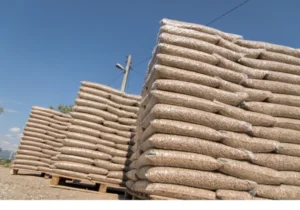
If outdoor storage is unavoidable, place the pallet on a raised, stable surface and protect the bags with a suitable waterproof cover. Keeping your wood pellets dry helps preserve their quality and ensures reliable stove performance.
Where to Buy Wood Pellets
Finding a reliable supplier is an important part of purchasing heating fuel. When comparing suppliers, look beyond the advertised price and consider pellet quality, product availability, delivery options, customer service, and overall value.
Local heating suppliers, home improvement stores, agricultural retailers, and specialist pellet distributors may offer different grades and brands of wood pellets.
When shopping online, compare the price of a complete Ton of Pellets with the cost of individual bags. Also check whether delivery is included or charged separately, as freight costs can significantly affect the final purchase price.
Preparing for Bulk Pellet Delivery
A full pallet of wood pellets can weigh around 2,000 pounds, so preparing an appropriate delivery area is important before your order arrives.
The delivery location should provide a flat, stable surface that can safely support the pallet. Concrete and properly maintained asphalt surfaces are generally suitable for pallet deliveries. Narrow access points, steep slopes, soft ground, and unstable surfaces may make delivery more difficult.
Before placing your order for bulk wood pellets, confirm the supplier’s delivery requirements and make sure the delivery vehicle can safely access your property.
Understanding Seasonal Wood Pellet Prices
The price of wood pellets can change throughout the year depending on raw material availability, manufacturing costs, transportation expenses, production levels, and seasonal demand.
Purchasing fuel before the peak heating season may provide greater product availability and potentially better pricing. As colder weather approaches, demand can increase, making it more difficult to find specific brands or pellet grades.
When comparing prices, always consider the complete delivered cost of a Ton of Pellets rather than focusing only on the advertised product price.
Environmental Benefits of Wood Pellets
Wood pellets are manufactured from compressed wood fibers and can make use of by-products from the wood-processing industry, such as sawdust and other suitable wood residues.
Modern pellet heating appliances are designed to burn compressed biomass efficiently, producing consistent heat from a compact and easily stored fuel source.
The environmental benefits of wood pellet heating depend on factors including the source of the wood, manufacturing practices, transportation, and the efficiency of the appliance being used. Choosing responsibly sourced pellets and operating a properly maintained, efficient heating system can help maximize the benefits of biomass heating.
How to Identify Moisture-Damaged Pellets
Before loading your wood pellets into a stove or hopper, inspect the bags for signs of moisture damage. Torn or punctured packaging can allow water to enter and compromise the fuel.
Damaged pellets may appear swollen, crumble easily, or contain excessive amounts of loose sawdust. Wet pellets can cause feeding problems, inconsistent combustion, and increased ash production.
If you receive a Ton of Pellets with visibly damaged bags, separate the affected bags from the dry fuel and contact the supplier if the damage appears to have occurred during transportation or delivery.
Checklist Before Buying a Ton of Pellets
Before completing your purchase, take a few moments to verify the most important details:
- Check the pellet type and wood species listed by the manufacturer.
- Confirm the total weight of the pallet or Ton of Pellets.
- Review ash content, moisture level, and heating value where specifications are available.
- Compare the total delivered price, including any shipping or handling charges.
- Check delivery requirements and make sure your property can accommodate a pallet delivery.
- Plan a dry storage location before the fuel arrives.
- Purchase from a reputable supplier with clear product information and customer support.
Taking these steps can help you choose high-quality wood pellets, avoid unnecessary delivery problems, and maintain a reliable supply of heating fuel throughout the winter season.
Final Thoughts
Buying wood pellets in bulk can be a convenient way to prepare for cold weather while reducing the need for frequent fuel purchases. Whether you need a single Ton of Pellets or several pallets for the season, focus on quality, value, proper storage, and reliable delivery.
With the right fuel and proper preparation, a pellet heating system can provide consistent and efficient warmth throughout the colder months.
Reviews
There are no reviews yet.