
Why Buying a Ton of Pellets Is a Smarter Winter Heating Choice
When cold weather arrives, keeping your home warm efficiently becomes a top priority. Buying heating fuel bag by bag can be inconvenient and expensive, especially when you need to make frequent trips to restock. Purchasing a Ton of Pellets in advance ensures you have a reliable supply of wood fuel available throughout the heating season.
Buying in bulk can also make it easier to manage your heating budget. Instead of repeatedly purchasing individual bags at retail prices, securing a full pallet allows you to plan your fuel supply ahead of time. For homeowners who rely on pellet stoves or biomass heating systems, buying a Ton of Pellets can be a practical way to prepare for the colder months.
The Financial Benefits of Buying a Ton of Pellets
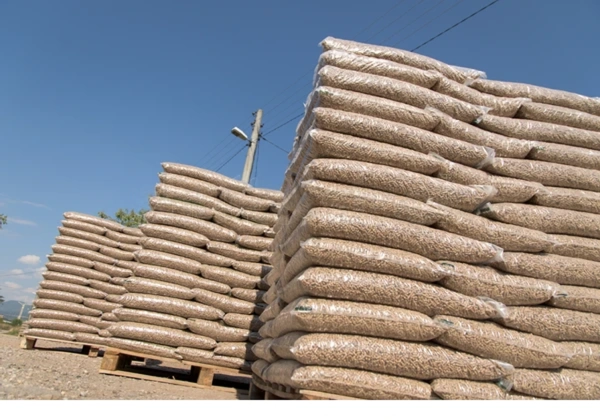
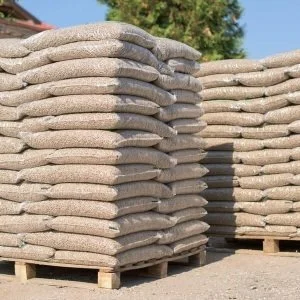
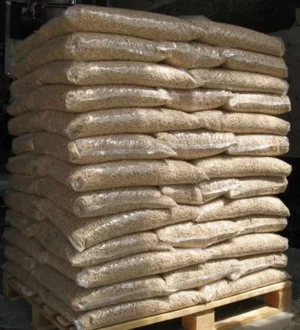
Buying pellets in bulk can provide better overall value than purchasing individual bags throughout the winter. A typical bag of wood pellets weighs approximately 40 pounds, meaning a standard 1-ton pallet can contain around 50 bags.
Depending on the supplier, purchasing a full Ton of Pellets may reduce the average cost per bag or pound compared with buying smaller quantities. Bulk purchasing can also reduce the number of trips required to purchase fuel, saving time and transportation costs.
When comparing prices, always look beyond the advertised pallet price. Consider delivery charges, bag quantity, pellet quality, and the total weight included in the shipment to determine the best overall value.
Premium vs. Standard Wood Pellets
Not all wood pellets are produced to the same standard. Before purchasing a Ton of Pellets, it is important to understand the quality and composition of the fuel.
Premium-grade pellets generally contain less ash and are designed to provide consistent combustion. Lower ash production can reduce the amount of cleaning required and help maintain efficient stove operation.
Standard-grade pellets may be more affordable, but their performance can vary depending on the manufacturer and raw materials used. When comparing products, consider ash content, moisture level, heat output, pellet durability, and the manufacturer’s specifications.
Hardwood vs. Softwood Pellets
One of the most common questions when buying a Ton of Pellets is whether hardwood or softwood pellets provide better performance.
Softwood pellets can provide excellent heat output because softwoods often contain naturally occurring resins that contribute to combustion. Hardwood pellets can also provide reliable, steady heat and are widely used in residential pellet stoves.
Rather than choosing solely based on whether the pellet is hardwood or softwood, consider the pellet’s BTU rating, ash content, moisture level, and your stove manufacturer’s recommendations.
How Long Does a Ton of Pellets Last?
The amount of time a Ton of Pellets lasts depends on several factors, including the size of your home, stove efficiency, insulation, outdoor temperatures, and thermostat settings.
A well-insulated home using an efficient pellet stove may consume fuel more slowly than a larger or poorly insulated property. Similarly, operating a stove continuously at a high temperature will use significantly more pellets than maintaining a moderate indoor temperature.
For this reason, there is no single answer for how long one ton will last. Monitoring your daily pellet consumption during the beginning of the heating season can help you estimate how much fuel you will need.
Proper Storage for a Ton of Pellets
Proper storage is essential when purchasing a Ton of Pellets. Wood pellets are compressed biomass and can absorb moisture if exposed to water or excessive humidity. Once pellets become wet, they can swell, crumble, and become unsuitable for use.
Whenever possible, store your pellet supply in a dry garage, shed, basement, or other protected area. Keep the bags away from direct contact with damp floors and make sure the storage area is protected from rain and leaks.
If outdoor storage is unavoidable, place the pallet on a raised surface and use a suitable weather-resistant cover. Avoid allowing water to collect around or underneath the pallet.
Choosing the Right Pellet Supplier
Finding a reliable supplier is an important part of purchasing a Ton of Pellets. Compare several suppliers before placing a large order, paying attention to product quality, pricing, availability, delivery options, and customer service.
Ask suppliers about the type of wood used, pellet specifications, bag weight, total pallet weight, and available volume discounts. A slightly higher-priced product may provide better value if it offers superior quality and more reliable delivery.
Reading customer reviews and checking product specifications can also help you make a more informed purchasing decision.
Pellet Delivery and Preparing for Your Shipment
A full Ton of Pellets can be heavy, so it is important to prepare your property before delivery. Suppliers may deliver a pallet using a truck equipped with a liftgate or other pallet-handling equipment.
Make sure the delivery location has a stable, accessible surface. A level driveway or paved area is generally easier for pallet equipment to access than loose gravel, soft ground, steep slopes, or narrow pathways.
Before your delivery arrives, remove vehicles and other obstacles from the designated drop-off area. Confirm the delivery requirements with your supplier so there are no surprises when the shipment arrives.
Comparing Pellet Prices and Finding the Best Value
The price of a Ton of Pellets can vary depending on the manufacturer, wood type, quality, availability, transportation costs, and time of year.
Buying before peak heating demand can sometimes provide better availability and pricing. However, the cheapest pallet is not necessarily the best value. Always compare the total cost, including delivery charges and the amount of fuel included.
When comparing suppliers, calculate the effective price per bag or per pound. This makes it easier to compare different pallet sizes and product options.
Environmental Benefits of Wood Pellets
Wood pellets are produced from compressed biomass, commonly using wood by-products such as sawdust and wood shavings. Using these materials can provide a productive use for wood-processing residues that might otherwise be discarded.
Modern pellet heating systems are designed to burn compressed wood fuel efficiently. However, environmental performance depends on factors such as the source of the wood, manufacturing practices, transportation, and the efficiency of the heating appliance.
Choosing responsibly produced pellets and operating your stove according to the manufacturer’s instructions can help maximize fuel efficiency.
Signs That Your Pellets Have Been Damaged by Moisture
Before loading pellets into your stove, inspect the bags for signs of water or moisture damage. A damaged Ton of Pellets may contain pellets that have swollen, broken apart, or turned into loose sawdust.
Moisture-damaged pellets can affect feeding performance and may contribute to blockages or poor combustion. If you notice damaged bags, separate them from your dry fuel supply and avoid putting compromised pellets into your stove.
Keeping your bags sealed and stored in a dry environment is one of the best ways to protect your investment.
What to Check Before Buying a Ton of Pellets Online
Before purchasing a Ton of Pellets, take a few minutes to verify the product details.
Check the following:
- Total weight: Confirm the total weight of the pallet.
- Bag quantity: Check how many bags are included.
- Bag weight: Verify the weight of each individual bag.
- Wood type: Determine whether the pellets are hardwood, softwood, or a blend.
- Pellet quality: Review ash content, moisture specifications, and heat output where available.
- Delivery: Check delivery costs, delivery areas, and unloading requirements.
- Storage: Make sure you have a suitable dry location ready for the pallet.
- Stove compatibility: Confirm that the pellets are suitable for your heating appliance.
Taking these steps can help you avoid unexpected costs and ensure that the fuel you purchase meets your heating requirements.
Buy a Ton of Pellets With Confidence
Purchasing a Ton of Pellets can make winter heating more convenient by giving you a substantial supply of fuel in one order. Bulk purchasing may also provide better value, reduce the need for frequent restocking, and make it easier to plan your heating expenses.
Whether you choose hardwood, softwood, premium, or standard-grade pellets, focus on quality, storage, delivery, and compatibility with your pellet stove. With proper planning and storage, your bulk pellet supply can help keep your home warm and comfortable throughout the heating season.
Reviews
There are no reviews yet.